
Rent. Buy, or Care In-House? The True Cost of Office Plants
Office planting has become a staple of modern workplaces, not just as decoration, but as a tool for wellbeing, productivity and brand experience. Yet most businesses default to plant rental contracts without ever seeing a clear comparison of alternatives.
This guide sets out a side‑by‑side comparison of the three main approaches to office plants:
- Buying high‑quality plant displays and maintaining them in‑house (The Hortology Model).
- Renting plants with maintenance included.
- Buying plants outright with an external maintenance contract.
We look at total cost of ownership, practical implications, and the often overlooked human benefits of caring for plants internally; an approach we are passionate about through our Let Nature Nurture philosophy.
The Finance View: What are you really buying?
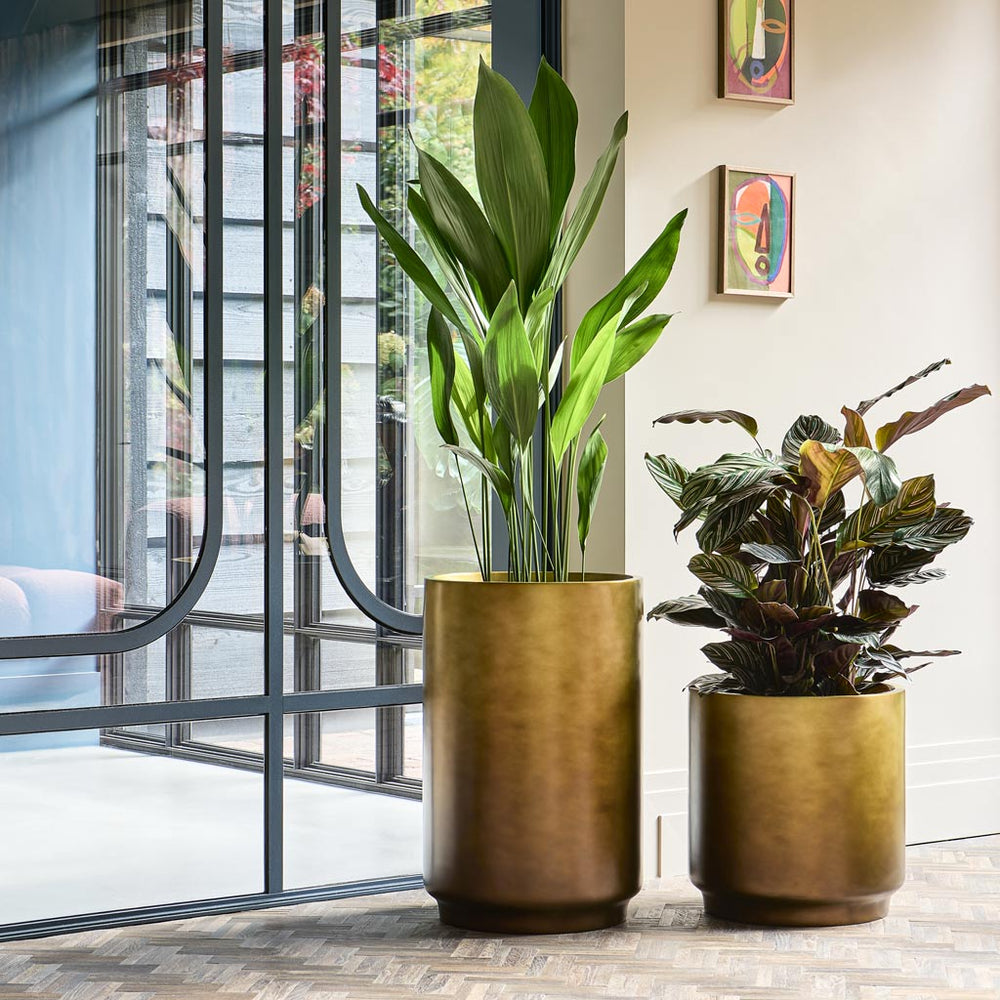
From a finance perspective, office plants are rarely interrogated, yet over a typical three year contract period they can quietly become a five‑figure operational cost.
The key question for CFOs and leadership teams is not “What does this cost per month?” but:
What quantity and quality of plants are we receiving and how many times are we paying for them?
Rental contracts bundle plants, planters, labour and risk into a single monthly fee. That convenience comes at a premium and obscures asset value, depreciation and long‑term return.
Owning plant displays reframes greenery as a one‑time capital investment with modest ongoing operating costs, rather than a perpetual lease.
The Three Approaches Explained
Buy Displays + In‑House Care
- Plants and planters are purchased outright
- The same premium quality used by the major rental providers, sourced from the same growers
- Maintenance is carried out internally using simple, structured guidance
- This approach reframes plants from a serviced commodity into a living asset - one that colleagues actively engage with
Plant Rental (All‑Inclusive)
What’s included:
- Plant supply & installation
- Regular maintenance visits.
- Replacement of failed plants
- Fixed monthly cost
What you’re paying for:
- Convenience
- Supplier ownership of plants. You never own the plants or planters
- You are effectively leasing a visual outcome
Buy Plants + External Maintenance
What’s included:
- One‑off purchase of plants & planters
- Scheduled outsourced maintenance visits
- Optional replacement guarantees
- This approach reduces rental premiums, but still externalises care and limits day‑to‑day colleague engagement
What Do You Actually Get? Quantity & Quality Compared
To make costs meaningful, it’s important to compare like‑for‑like. Below is a typical planting scheme used across all scenarios.
Typical Plant & Planter Specification (10‑Desk Office)
Plant Type | Quantity | Typical Size / Quality | |
|---|---|---|---|
Open Plan Desks | Desktop plants | 10-12 | Premium foliage, 12–14cm pots |
Open Plan / Zoning | Medium floorstanding plants | 6-8 | 120-150cm architectural plants |
Reception & Breakout | Large feature plants | 4-6 | 170-200cm statement specimens |
Breakout / Edges | Trough planters | 2 | Multi‑plant displays |
Total Displays | 22-28 | Enterprise-grade quality |
*All three options assume the same plant quality and planter standard, sourced from the same UK and European enterprise-grade growers.
Side‑by‑Side Cost Comparison (Typical 10‑Desk Office)
Year 1 Costs
Upfront Cost | Ongoing Cost | Approx. Year 1 Total | |
|---|---|---|---|
Plant Rental (all‑inclusive) | Design/Installation Fees* | £350 - £550 / month (monthly visit) | £4,200 - £6,600 + Design/Install Fees |
Buy Plants + external maintenance | £5,000 - £8,000 | £300 - £500 / month | £8,600 - £14,000 |
Buy Displays + in‑house care | £5,000 - £8,000 | £15 - £25 / month** | £5,180 - £8,300 |
* Dependent on project complexity
** Consumables and contingency for HydroCare® plant replacement.
Three‑Year Total Cost of Ownership
Plant Rental
36 month contract
£12,600 - £19,800
+ Initial Design & Install Fees
Buy Plants + external maintenance
Approx. 3 Year Cost
£15,800 - £26,000
Buy Displays + in‑house care
Approx. 3 Year Cost
£5,540 – £8,900
In real terms, many businesses pay two to three times over for the same displays through rental and maintenance contracts.
The Hidden Cost of Plant Rental
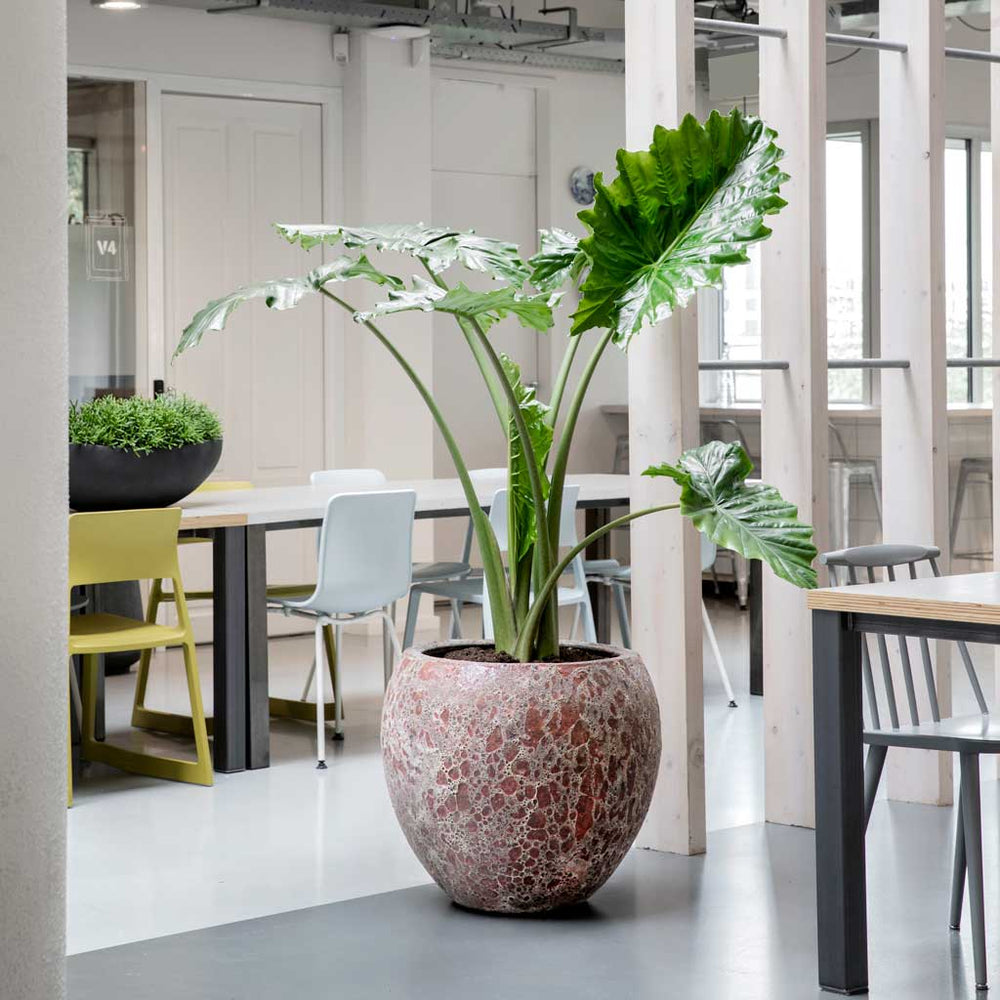
Rental contracts are often justified as “all‑inclusive”, but this masks several realities:
- Plants are paid for multiple times over during long contracts
- Colleagues are disengaged from the environment
- Care is invisible and impersonal
- Plants become décor, not living systems
In contrast, owning plants shifts the mindset from outsourced appearance to shared responsibility.
Let Nature Nurture: Why In‑House Plant Care Matters
We explore this in detail under our Let Nature Nurture framework, but it’s worth restating the core benefits:
Wellbeing
- Daily micro‑interactions with plants reduce stress
- Caring tasks introduce calm, meditative moments
Productivity
- Small plant-care breaks reduce cognitive fatigue
- Colleagues return to workstations refreshed and focussed
Creativity
- Plant interactions help people move from rigid task focus to open creative-flow mode
Accountability
- Acts of plant-care build habits of attentiveness, reliability and pride - attributes essential to hitting business goals
Team Mindset
- Low-pressure interactions across departments and seniorities strengthen relationships
- A catalyst to a more human workplace culture
Plant rental removes all of this - replacing it with monthly (fee dependent) visits from a contractor.
HydroCare®: Lower Risk, Lower Failure Rate, Easier Maintenance
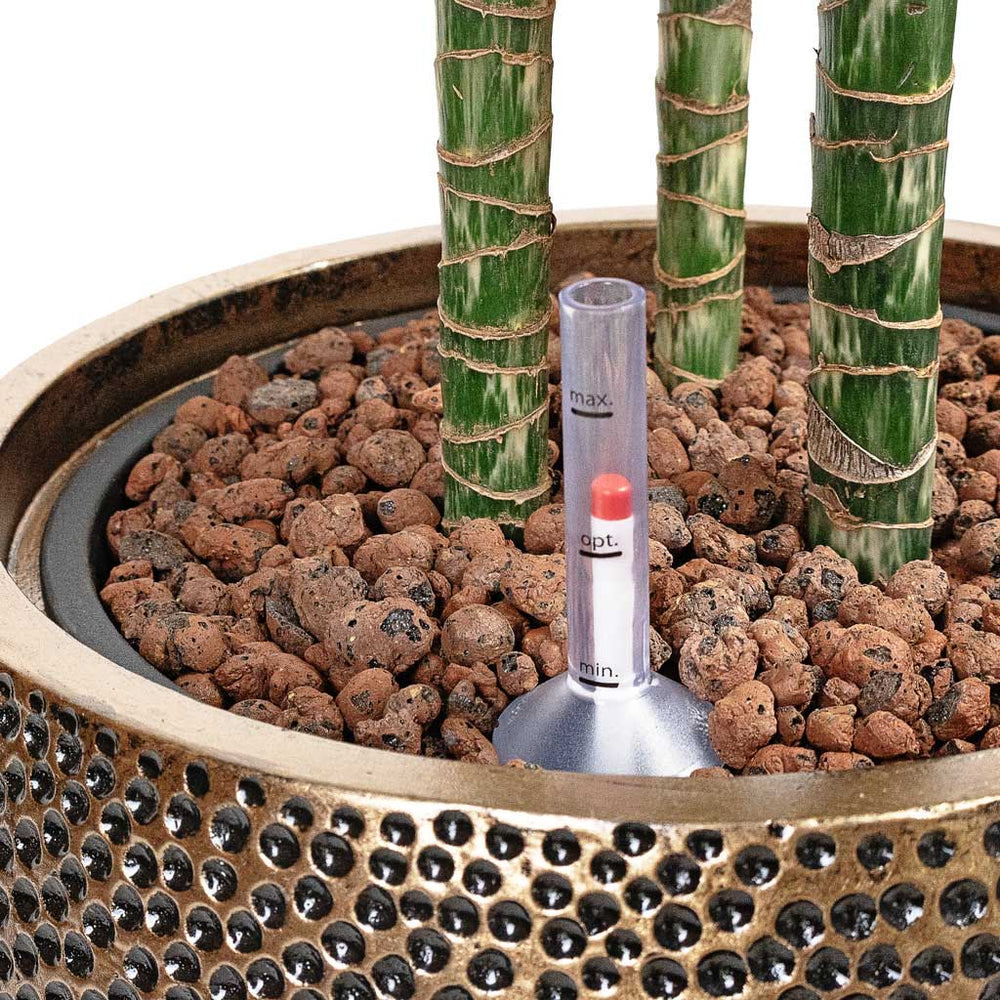
HydroCare® reduces plant failure, simplifies maintenance, and stabilises long‑term costs, without compromising plant quality.
HydroCare® is our preferred system for workplace environments because it directly addresses the two concerns most often raised by managers and facilities teams: risk and maintenance burden.
What is HydroCare®?
HydroCare® is a hydroponic planting system where plants are grown in inert clay pebbles rather than soil.
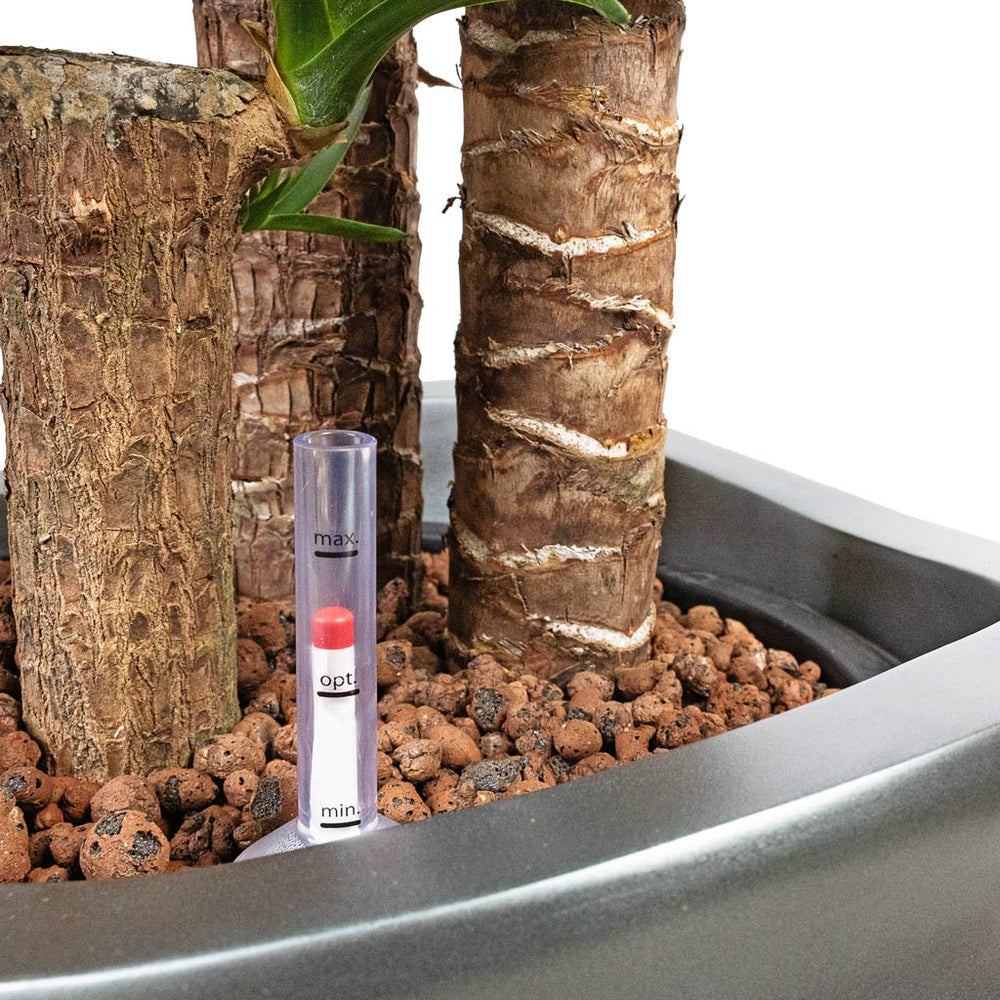
Each planter includes a discreet water-level indicator, showing exactly when watering or feeding is required.
Why it matters commercially
- Predictable care: Clear visual indicators remove guesswork; no horticultural knowledge required
- Lower failure rates: Roots adapt to the water-based environment, making plants more resilient
- Reduced replacement cost: Fewer losses over time compared with soil-grown displays
- Cleaner workplaces: No soil spills, reduced pest risk, improved hygiene
- Asset longevity: Plants maintain form and health for longer, protecting your initial investment
Risk & Predictability by Approach
Rental (Soil) | Buy (Soil) | Buy (HydroCare®) | |
|---|---|---|---|
Ownership | Supplier | Business | Business |
Care complexity | Hidden | Moderate | Low |
Failure risk | Absorbed in fee | Variable | Significantly Reduced |
Replacement visibility | Opaque | Direct cost | Infrequent |
Cost predictability | Medium (contract-bound) | Low-medium | High |
HydroCare® shifts plant ownership from a variable-risk asset to a stable, predictable system.
Why Rental Hides Failure - and HydroCare® Prevents It
Plant rental models are designed to absorb failure invisibly. When a plant declines, it is quietly replaced during a maintenance visit and folded into the monthly fee on renewal.
From a reporting perspective, nothing appears to have gone wrong but the business is continually paying for the same display over and over again.
This creates three structural issues:
- Failure is masked: There is no visibility of plant losses or performance over time
- No learning loop: Colleagues never understand what works in their environment
- Costs compound silently: Replacement is ongoing, but not itemised
HydroCare® reverses this dynamic.
By reducing failure in the first place - through water-level indicators, soil-free planting and more resilient root systems, issues are prevented rather than concealed.
When care is carried out in-house, plant health becomes visible, understood and stable, rather than something quietly “managed away” inside a contract.
In summary, rental hides problems by paying for them repeatedly. HydroCare® prevents them.
The Finance View: Cost Stability
Traditional soil-based displays introduce variability - overwatering, underwatering, pests and inconsistent care all lead to hidden replacement costs.
HydroCare® dramatically narrows this risk band, making plant ownership a far more predictable operating cost over three to five years.
In practice, HydroCare® displays experience significantly lower failure rates than traditional soil-based office plants, reducing replacement spend and protecting the original capital investment.
Facilities & Operations: Confidence Without Expertise
Designed for facilities teams, not horticulturists.
One of the biggest barriers to in-house plant care is fear of getting it wrong.
That’s why we support every scheme with:
- Plant-family online maintenance checklists
- Simple maintenance log templates to record watering, feeding and observations
- Clear visual cues via HydroCare® water-level indicators
Together, these remove reliance on individual knowledge and replace it with repeatable, auditable processes - exactly what facilities and operations teams need.
This approach builds confidence quickly; prevents over-care (the most common cause of failure) and creates continuity even when staff change.
Plant care becomes a light-touch routine, not a specialist dependency.
Quality Without Compromise
A common misconception is that rental providers offer better plants.
In reality, the same UK and European growers supply the entire sector for commercial indoor plant projects, including Hortology.
Plant quality is determined by selection, acclimatisation and early care, not ownership model.
Premium planters, large specimens and architectural displays are fully achievable without rental.
Owning plants does not mean downgrading quality; it simply removes unnecessary layers of cost.
When Does Plant Rental Still Make Sense?
Rental may still suit:
- Short‑term offices
- Highly transient spaces (Hot Desks)
- Organisations unwilling or unable to allocate even minimal internal time
For most settled offices, however, buying and caring internally offers both financial and human returns.
Put Simply...
Office plants should not be a recurring overhead that quietly multiplies year after year.
By:
- Buying high‑quality displays
- Using simple in‑house care frameworks
- Reconnecting people with living systems
... businesses can reduce costs, increase engagement, and unlock the deeper benefits of workplace greenery.
That is the principle behind Let Nature Nurture and why we believe office plants should be owned, cared for, and genuinely lived with.
If you’d like a bespoke quote for your office or want to see how in‑house maintenance can be structured simply and safely, please get in touch.

Become A Hortologist
"Look deep into nature and then you will understand everything better."
~ Albert Einstein ~
We believe in the power of plants to lift the spirit, calm the mind and clean the air.