
Let Nature Nurture
In many workplaces, plants are treated like artwork: installed, admired from a distance, and maintained by a third party who comes and goes unnoticed. They look good but they remain passive. Nature is present, yet untapped.
Let Nature Nurture is about shifting from look-but-don’t-touch to care-and-connect.
Biophilic design is proven to support wellbeing, focus and performance but its full value is unlocked not just by having plants, but by engaging with them.
When plant care is brought in-house, greenery stops being a background feature and becomes an active part of the working day: something people interact with, take responsibility for, and benefit from in small but meaningful ways.
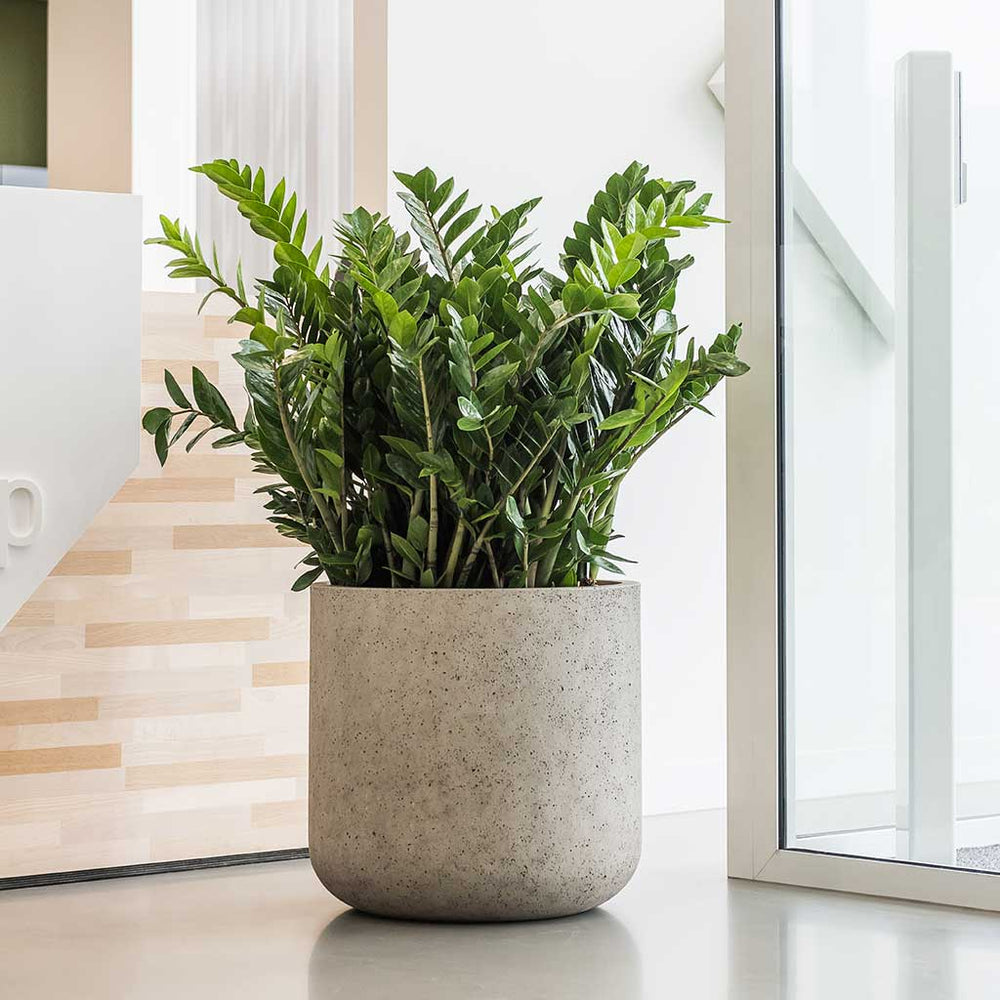
Why in-house plant care works better than third-party maintenance
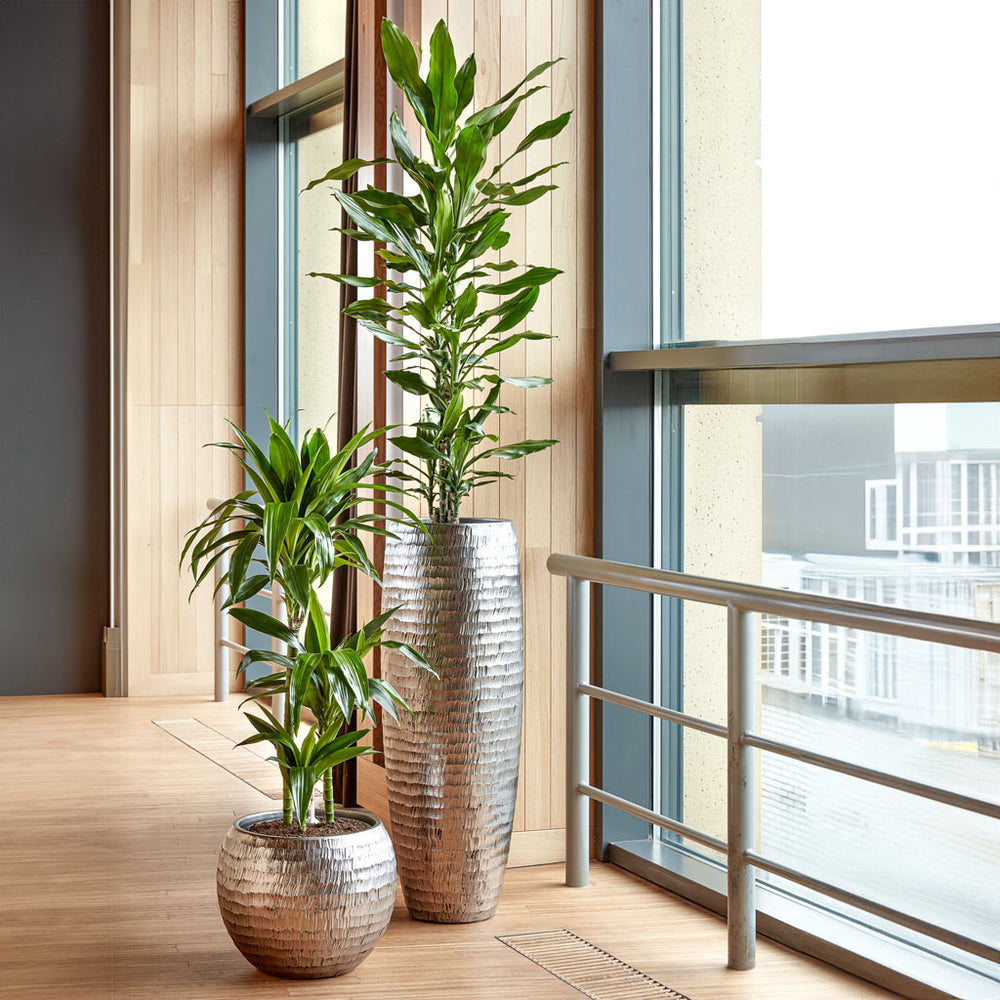
A third-party contract keeps plants alive.
In-house care helps people thrive.
When employees are trusted to look after their environment, even in small ways, it creates moments of restoration, ownership and shared purpose that no external service can replicate.
Five minutes spent checking moisture levels or dusting leaves isn’t a distraction from work, it’s a reset within it.
This is where nature starts to nurture.
Nurture Wellbeing
Plant care creates built-in moments of calm during the working day. Simple, tactile tasks; wiping leaves; checking soil; rotating a plant towards the light, act as brief meditative pauses.
These moments reduce stress, slow breathing, and offer a mental break without switching off entirely. No apps. No meetings. Just a few grounded minutes with something living.
Nurture Productivity
Stepping away from a screen to tend to plants allows the brain to recover from cognitive fatigue. Employees return to tasks feeling refreshed rather than depleted.
Over time, these micro-breaks support better focus, fewer errors, and more sustained energy, making plant care a productivity tool, not a perk.
Nurture Creativity
Green environments encourage relaxed attention; the mental state where ideas flow more freely.
Interacting with plants helps people shift out of rigid, task-driven thinking and into a more open, creative mode.
Whether it’s problem-solving, planning or ideation, people think better when they feel better and green helps them get there.
Nurture Accountability
Caring for plants introduces a form of responsibility beyond individual job roles.
When people are trusted to look after living things in a shared space, it reinforces a culture of ownership.
Small acts of care build habits of attentiveness, reliability and pride; qualities that naturally extend back into work and business goals.
Nurture Teams
Plant care is inherently inclusive. There are no titles involved in watering a fern. Shared maintenance softens hierarchies and creates low-pressure moments of interaction between departments and seniorities.
These informal connections strengthen relationships and contribute to a more cohesive, human workplace culture.
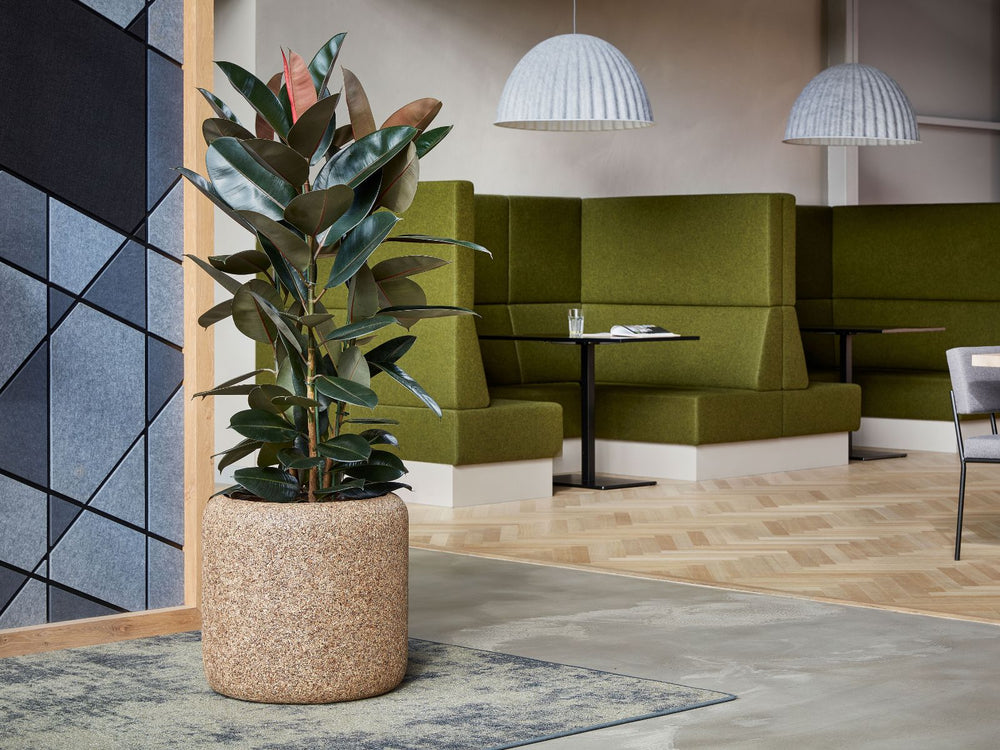

Become A Hortologist
"Look deep into nature and then you will understand everything better."
~ Albert Einstein ~
We believe in the power of plants to lift the spirit, calm the mind and clean the air.